

Self Contained Breathing Apparatus
Company Profile
Established in 1998, Jiaxing Rongsheng Lifesaving Equipment Co.,Ltd. is a professional manufacturer and exporter that is concerned with the design, development and production of marine life-saving equipment & fire fighting equipment. We are located in Jiaxing City which is closed to Shanghai, with convenient transportation access.
We have passed the international quality management system certification (ISO9001/ISO22000) since 2002, all products obtain CCS certificate (China Classification Society), most of products obtain MED certificate through DNV, RINA, KR, LR.
Why choose us?
High quality
Our products are manufactured or executed to very high standards, using the finest materials and manufacturing processes.
Professional team
Our professional team collaborate and communicate effectively with one another, and are committed to delivering high-quality results. They are capable of handling complex challenges and projects that require their specialized expertise and experience.
Rich experience
Our company has many years of production work experience. The concept of customer-oriented and win-win cooperation makes the company more mature and stronger.
One-stop solution
We can offer a range of services, from consultation and advice to product design and delivery. It is a convenience for the customers, as they can get all the help they need in one place.


What is Self Contained Breathing Apparatus
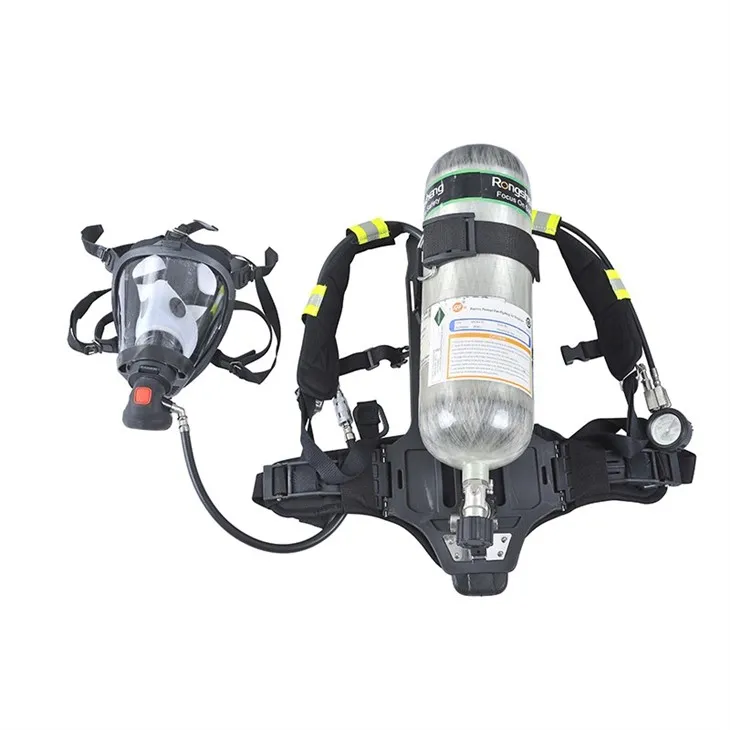
Self Contained Breathing Apparatus (SCBA) is a critical piece of personal protective equipment used by firefighters, industrial workers, and emergency responders. It provides breathable air in environments where the ambient air is contaminated with smoke, toxic gases, or other harmful particles. SCBAs are designed to ensure that users have a reliable source of oxygen during emergency situations, such as fires, chemical spills, or confined space entries.
The apparatus consists of a high-pressure air tank or cylinder, a pressure regulator, an oxygen mask, and a harness system. The tank is filled with compressed air or oxygen and is carried on the user's back. The pressure regulator ensures that the air delivered to the user maintains a constant and comfortable pressure, regardless of the remaining air in the tank or the user's rate of inhalation.
Benefits of Self Contained Breathing Apparatus

Reliable source of clean air
SCBA provides uncontaminated air to the wearer, ensuring they can breathe safely in environments where the ambient air is unsuitable due to smoke, chemicals, or other pollutants. This is particularly crucial in firefighting, where clean air is essential for maintaining awareness and cognitive functions.
Protection against toxic substances
By filtering out harmful gases and particulates, SCBA protects users from the risks associated with inhalation of toxic substances. This includes protecting the lungs and other organs from immediate and long-term damage.
Reduced risk of smoke inhalation
Smoke inhalation is a leading cause of death related to fires. SCBA prevents exposure to carbon monoxide and other harmful compounds found in smoke, thereby significantly reducing this risk.
Improved safety and confidence
Knowing that a reliable supply of breathable air is available can increase the confidence of emergency responders, enabling them to perform their duties effectively without the fear of asphyxiation.
Enhanced durability and longevity
Modern SCBA units are built to withstand high temperatures, physical impacts, and chemical exposures, making them durable and reliable tools for emergency response.
Integrated safety features
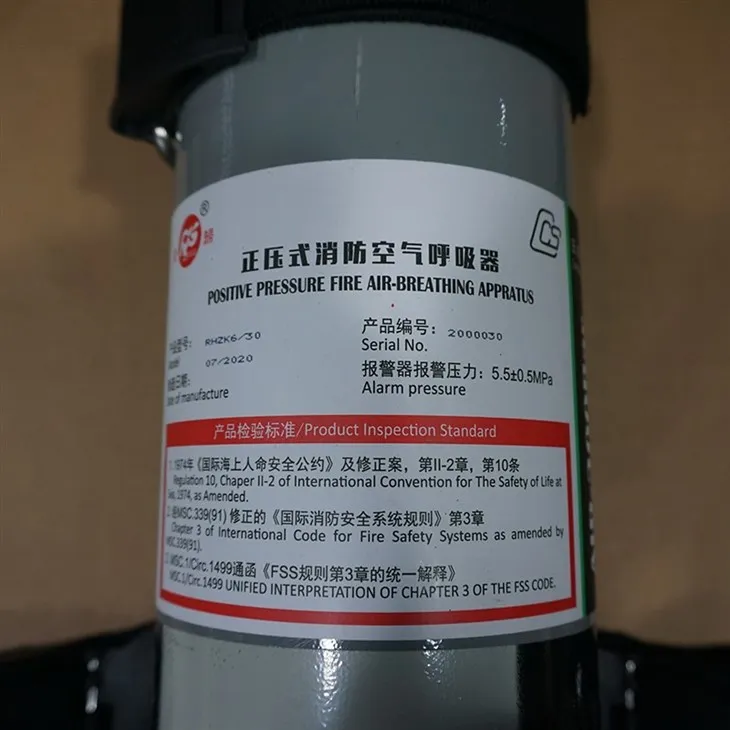
SCBAs often come with built-in safety features such as low-air alarms that alert the user when the air supply is getting critically low, and integrity alarms that signal if the facepiece has been compromised.
Versatility across multiple environments
While primarily associated with firefighting, SCBA can also be utilized in industrial settings, chemical plants, during hazmat responses, and in other scenarios where air quality is compromised.
Compliance with regulatory standards
SCBA meets stringent safety standards set by organizations like the National Fire Protection Association (NFPA) and the Occupational Safety and Health Administration (OSHA), ensuring that it provides the highest level of protection to the user.
Communication capabilities
Many SCBA units are equipped with voice amplification systems that allow users to communicate with one another even while wearing masks, enhancing team coordination and efficiency during emergency operations.
Physical performance enhancement
By protecting the respiratory system, SCBA enables individuals to perform physically demanding tasks for longer periods without the debilitating effects of breathing contaminated air.
Training and rescue support
SCBA allows for training in hazardous conditions that mimic real emergencies, enhancing readiness and proficiency. Additionally, during rescues, SCBA-equipped personnel can safely enter hazardous areas to assist others.
Types of Self Contained Breathing Apparatus
As the most common type, open-circuit SCBA releases exhaled air into the environment. This design is simple and effective, allowing the escape of exhaled carbon dioxide, which can help to maintain visibility in smoke-filled areas. The airflow is continuous and does not recycle, which means that the wearer must manage air consumption carefully.
This type of SCBA only supplies air when the user inhales and recycles the exhaled gases. The closed-circuit design reduces the amount of air needed, allowing for longer operational times before refilling or changing the tank. This type of SCBA is favored for applications where air conservation is important or where longer work times are required.
Semi-closed circuit SCBA falls between open-circuit and closed-circuit systems. They release some exhaled air but retain a portion for the next inhalation. This balance offers extended operation times compared to open-circuit SCBA while still maintaining relatively short refill intervals compared to closed-circuit systems.
Also known as supplied-air respirators, these do not carry their own air supply but are connected to a clean air source via a hose. The advantage is that they are lightweight, and since there's no high-pressure tank, they are less bulky. However, the limitation is the length of the hose, which restricts the wearer’s mobility to the length of the air supply line.
Some SCBA units combine features of different types. For example, a unit might have the lightweight frame of an airline SCBA but include a detachable high-pressure air tank, providing greater mobility when detached and a continuous air supply when attached to a stationary source.
Rebreather systems recirculate air by removing carbon dioxide and partially recharging the oxygen. This technology enables extended operational durations by significantly reducing the amount of fresh air required. Rebreathers are often used in military and diving applications where stealth and endurance are priorities.
Designed for greater comfort and flexibility, inflatable SCBA tanks can be rolled up when not in use and then inflated when needed. This feature makes them easier to transport and store.
Material of Self Contained Breathing Apparatus
Self-Contained Breathing Apparatus (SCBA) components are typically made from materials selected for their durability, resistance to environmental hazards, and ability to maintain structural integrity under stress. The primary materials used in SCBA construction include:
Polymer plastics: Many SCBA frames and shells are made from high-strength plastics such as nylon or reinforced polymers. These materials provide a lightweight yet robust structure capable of withstanding impact and thermal stress.
Rubber: Natural and synthetic rubbers are used in SCBA facepieces and mouthpieces due to their excellent sealing properties and flexibility. Rubber can conform to the user's face, ensuring a tight seal against contaminants.
Elastomers: Specialized elastomers may be used in hoses and connections where flexibility is required along with resistance to chemicals and high temperatures.
Composite materials: Carbon fiber and glass fiber composites are used in the high-pressure cylinders that contain the breathing air. These materials offer a high strength-to-weight ratio, which is vital given the weight constraints imposed by the need for the wearer to carry the cylinder.
Metals: Stainless steel and aluminum are commonly used in SCBA hardware, including valves, regulators, and mounting brackets. These metals provide strength and corrosion resistance, although aluminum is favored for its lighter weight.
Laminates: Advanced laminate materials may be employed in certain parts of the SCBA, combining multiple layers of different materials to enhance performance characteristics such as impact resistance or thermal insulation.
Thermoplastics: Materials like polycarbonate are used in visors and faceguards due to their clarity, impact resistance, and ability to withstand high temperatures.
Silicone: Silicone is used in some gaskets and seals because it maintains flexibility over a wide temperature range and resists degradation from UV light and ozone.
The choice of material for each component of the SCBA is critical to ensure that it meets the necessary safety standards and performs reliably under the harsh conditions encountered during use.
Manufacturers rigorously test these materials to guarantee that the SCBA will protect the user from environmental hazards while allowing them to perform their duties effectively. Regular inspection and maintenance of SCBA equipment are essential to ensure that all components remain intact and functional.
Application of Self Contained Breathing Apparatus
Firefighting and rescue operations
Firefighters rely on SCBA as their primary respiratory protection tool. It enables them to enter smoke-filled, toxic, or oxygen-deficient atmospheres without the risk of inhaling harmful substances or gases. SCBA also protects them from the high temperatures and particulates encountered during fire suppression and search and rescue operations.
Industrial settings
Workers in industries such as chemical manufacturing, oil refineries, mining, and construction often encounter hazardous atmospheres that require the use of SCBA. These environments may contain volatile organic compounds (VOCs), particulates, or other toxic substances that could lead to acute or chronic health effects if inhaled.
Hazmat response
Emergency responders trained in hazardous materials (hazmat) response use SCBA when dealing with spills, leaks, or releases of dangerous chemicals. The apparatus ensures they can safely approach and contain the incident without exposure to harmful vapors or gases.
Law enforcement and military operations
Special units within law enforcement and the military may utilize SCBA during operations where air quality is compromised, such as in terrorist attacks involving chemical, biological, radiological, or nuclear (CBRN) agents.
Shipboard and maritime operations
SCBA is essential for ship crewmembers who might need to enter enclosed spaces that could have dangerous levels of oxygen deficiency or the presence of toxic gases resulting from leaks or spills.
Utilities and waste management
Workers in the utilities sector, such as sewage treatment plants and waste-to-energy facilities, may require SCBA due to the potential for noxious fumes or airborne pathogens.
Medical and healthcare facilities
In certain medical emergencies, healthcare professionals might need to use SCBA to protect themselves from contaminated air, particularly in the context of infectious disease outbreaks.
Training and simulation
SCBA is utilized in training programs to simulate hazardous conditions, preparing individuals for real-life scenarios where they might need to operate with limited breathable air.
Research and development
Scientists and engineers working with hazardous materials in laboratories or during field research may employ SCBA to prevent exposure to potentially dangerous substances.
Public safety drills and exercises
Public safety agencies conduct drills and exercises that mimic emergency scenarios, often requiring participants to use SCBA to practice safe responses to airborne hazards.
Design and engineering
The first step is the design phase, where engineers use advanced software tools to create detailed CAD models of the SCBA. During this stage, considerations are made for ergonomics, functionality, and compliance with relevant safety standards. Engineers also select appropriate materials for each component based on their mechanical properties, chemical resistance, and thermal stability.
Material procurement
Once the design is finalized, materials are sourced from approved suppliers. This includes plastics, metals, rubbers, composite materials, and electronic components. Quality control measures are in place at this stage to ensure that all materials meet the required specifications.
Component manufacturing
Various components of the SCBA are manufactured using specialized techniques. For example, high-pressure cylinders might be manufactured through a process called filament winding, which involves laying down layers of carbon or glass fibers impregnated with resin onto a mandrel. Plastic parts may be injection molded, while metal parts could undergo stamping or machining operations.
Assembly
After all components are manufactured, the assembly process begins. This involves carefully assembling the facepiece, harness, cylinder, regulator, and any additional accessories such as communication devices or thermal imagers. The assembly process is highly controlled to ensure that each part is correctly installed and that all connections are secure and leak-free.
Pressure testing
Each assembled SCBA undergoes pressure testing to confirm that the high-pressure system can withstand the maximum operating pressure without failure. This test helps to identify any leaks or structural weaknesses in the system.
Functional testing
The SCBA is subjected to a series of tests to verify that all systems function correctly. This includes checks on the demand valve operation, the flow rate of air, the alarm system, and the overall usability of the device.
Quality assurance
Throughout the production process, various quality assurance checks are conducted to ensure that every unit meets the manufacturer’s quality standards. This may involve inspections, non-destructive testing methods, and documentation review.
Final inspection and packaging
Before shipment, each SCBA undergoes a final visual inspection to confirm that there are no visible defects or damages. The unit is then packaged securely for transportation, ensuring that it arrives at its destination undamaged.
Certification and compliance
Finally, the SCBA must pass certification tests to obtain approval from recognized safety organizations. Certifications may vary by country or region, but common ones include the National Fire Protection Association (NFPA) standards in the United States and European Norm (EN) standards in Europe.
Components of Self Contained Breathing Apparatus
Cylinder
This high-pressure tank contains breathing air or another suitable breathing mixture. It is constructed from materials capable of withstanding high pressures, often using composite materials or metals like aluminum or steel.
Regulator
Attached to the cylinder, the regulator reduces the high-pressure air to a lower pressure that is safe and suitable for inhalation. It also controls the flow of air, delivering it only when the user inhales, known as demand flow.
Harness
The harness is a padded and adjustable support system that secures the SCBA to the user's body. It typically includes shoulder straps, waist straps, and leg straps to distribute the weight evenly and provide stability during movement.
Facepiece
The facepiece, often referred to as a mask or helmet, seals around the user's face to provide a protective barrier and ensure a secure air supply. It is made from materials that offer transparency for visibility while maintaining durability.
Voice amplifier
This component, usually integrated into the facepiece, allows the user to communicate clearly despite wearing the apparatus. It amplifies the user's voice to be heard over ambient noise.
Pressure gauge
Located on the cylinder, the pressure gauge displays the remaining air pressure inside the SCBA tank. This allows the user to monitor the available air supply.
Low-pressure alarm
When the air supply reaches a predetermined low level, the low-pressure alarm sounds, signaling that it is time to exit the hazard area and seek fresh air.
High-pressure alarm
If the integrity of the SCBA system is compromised, such as a loss of air from the cylinder, the high-pressure alarm will sound to alert the wearer immediately.
Connectors and valves
These components facilitate the assembly of the SCBA, allowing the various parts to be securely connected and enabling the flow of air to be controlled as needed.
Integrated electronics
Some modern SCBAs come equipped with electronics that can monitor usage patterns, provide real-time feedback, and integrate with external devices for tracking and communication purposes.
How to Maintain Self Contained Breathing Apparatus
Daily checks
Before use, perform a quick visual inspection to ensure that the SCBA is clean, free of debris, and that no damage is apparent. Check the facepiece for scratches, tears, or other imperfections that could compromise the seal. Ensure that all straps and buckles are intact and functioning correctly.
Weekly checks
Conduct a more comprehensive weekly check that includes inspecting the cylinder for dents, scratches, or any signs of corrosion. Verify that the cylinder is properly secured to the harness and that the cylinder valve is in good condition. Check the demand valve for any blockages or damage and ensure that the exhalation valve operates smoothly.
Monthly maintenance
Perform a detailed monthly inspection that includes checking hoses and connections for wear, leaks, or kinks. Test the pressure gauge to ensure it provides an accurate reading and that the alarms are functioning correctly. Replace any worn or damaged parts, including the facepiece cushion and straps.
Annual inspections and servicing
Schedule annual inspections with qualified service providers who are authorized to service SCBA equipment. They will conduct a full service that may include hydrostatic testing of the cylinder, complete servicing of the regulator, and thorough testing of all electronics and alarms. The service provider should also calibrate any sensors and replace consumable items like batteries and voice amplifier membranes.
Storage
When not in use, store SCBA in a cool, dry environment away from direct sunlight or extreme temperatures. Cover the equipment to protect it from dust and dirt. Ensure that the cylinder is always partially pressurized with air to prevent moisture accumulation and corrosion within the cylinder.
User training
Ensure that all users are adequately trained in the proper use, care, and maintenance of the SCBA. Training should cover the correct donning and doffing procedures, how to operate the equipment, and what to do in case of malfunction. Regular refresher training is also important to keep skills up to date.
Record keeping
Keep detailed records of all maintenance and inspections performed on the SCBA. This includes dates, findings, actions taken, and the names of the personnel who performed the work. These records are crucial for tracking the equipment's service life, scheduling maintenance, and meeting regulatory requirements.
Performance requirements
Determine the necessary airflow rate, service duration, and working pressure. Consider the environmental conditions such as temperature extremes, humidity, and altitude, as these can affect the performance of the SCBA.
Certification and standards compliance
Ensure the SCBA meets national and international standards such as those set by the National Fire Protection Association (NFPA), the Mine Safety Health Administration (MSHA), or the International Organization for Standardization (ISO).
Cylinder capacity and material
Choose the appropriate cylinder size and material based on the required duration of operation. Cylinders are commonly made of steel or composite materials; steel cylinders are heavier but more durable, while composite cylinders are lighter and have a longer lifespan.
Regulator type
Select a regulator that provides a smooth and reliable flow of air. Demand regulators automatically adjust to the user's breathing rate, while continuous flow regulators provide a steady airflow regardless of inhalation.
Facepiece design
The facepiece must provide a secure, comfortable fit with a clear field of vision. Full-face masks offer protection for the whole face, while mouthpieces only cover the respiratory tract. Consider the need for a voice amplification system if communication is essential.
Size and weight
The SCBA should be ergonomically designed to minimize strain on the user. A well-balanced unit will reduce fatigue and improve mobility. Consider the physical stature of the user population to select the most appropriate size and weight for comfort and efficiency.
Integrated electronics
Modern SCBAs may include features like electronic monitoring of air supply, alarms for low air pressure, and integration with communication systems. Assess the need for these features based on the operational requirements.
Compatibility with other equipment
Check that the SCBA can be easily integrated with other personal protective equipment (PPE) and tools used by the user. Compatibility is crucial for maintaining efficiency and safety.
Maintenance and serviceability
Consider the availability of service and maintenance facilities for the SCBA. Select a model that is supported by a reliable manufacturer with a network of service centers for regular maintenance and repair.
Cost
Evaluate the total cost of ownership, which includes the initial purchase price, maintenance costs, and the cost of replacing consumables like filters and cartridges. Factor in the budget constraints and seek the best value for money without compromising on safety and performance.
Feedback from peers and experts
Gather feedback from professionals who have experience with different SCBA models. This can provide insight into the practical aspects of using the equipment and highlight any potential issues.
Training and support
Ensure that adequate training programs are available for users to familiarize themselves with the SCBA. Good after-sales support is also important for troubleshooting and addressing any technical queries.
How Self Contained Breathing Apparatus Works
A Self-Contained Breathing Apparatus (SCBA) is a device worn by rescue workers, firefighters, and industrial personnel to provide breathable air in environments where the air is unsuitable for breathing. It works through a combination of high-pressure air storage, demand regulation, and tight-fitting facepieces to deliver clean air to the user. Here’s a detailed explanation of how an SCBA operates:
High-pressure cylinder: The heart of the SCBA is a high-pressure air cylinder, which stores air at a pressure typically ranging from 300 to 4500 psi (pounds per square inch). This high-pressure air allows for a relatively small cylinder to hold enough air for several minutes to an hour, depending on the size of the cylinder and the rate of inhalation.
Regulator system: The regulator is a critical component that manages the flow of air from the high-pressure cylinder to the user at a safe and consistent pressure. It consists of a demand valve and a pressure-reducing valve. The demand valve ensures that air is only released when the user inhales, conserving air and extending the operational duration of the SCBA. Upon inhalation, the change in pressure triggers the demand valve to open, allowing air to flow into the facepiece.
Pressure gauge and low-pressure alarm: The SCBA is equipped with a pressure gauge that indicates the remaining air in the cylinder. When the pressure drops below a preset level, a low-pressure alarm is triggered, alerting the user that it is time to exit the hazardous environment or swap out the cylinder for a full one.
Facepiece and harness: The facepiece is designed to form a tight seal around the user's face to prevent contaminants from entering. It has a clear visor for visibility and can include a voice amplification system for communication. The facepiece is attached to a harness that comfortably secures the SCBA on the wearer's back.
Voice amplification and communication systems: Many modern SCBAs come with built-in voice amplification systems that allow clear communication even when wearing a full-face mask. Some models also integrate with external communication devices to enable coordination with teammates.
Integrated electronics: Some advanced SCBAs feature integrated electronics that monitor various parameters like cylinder pressure, elapsed operating time, and battery status. These systems can provide real-time feedback to the user and sometimes can be monitored remotely by team leaders or incident commanders.
An SCBA operates by storing high-pressure air in a cylinder, regulating the flow of air to the user on demand via a sophisticated regulator system, providing a secure and clear facepiece for breathing, and incorporating safety features like low-pressure alarms and integrated electronics for optimal performance and user safety.
Certifications

Our Factory
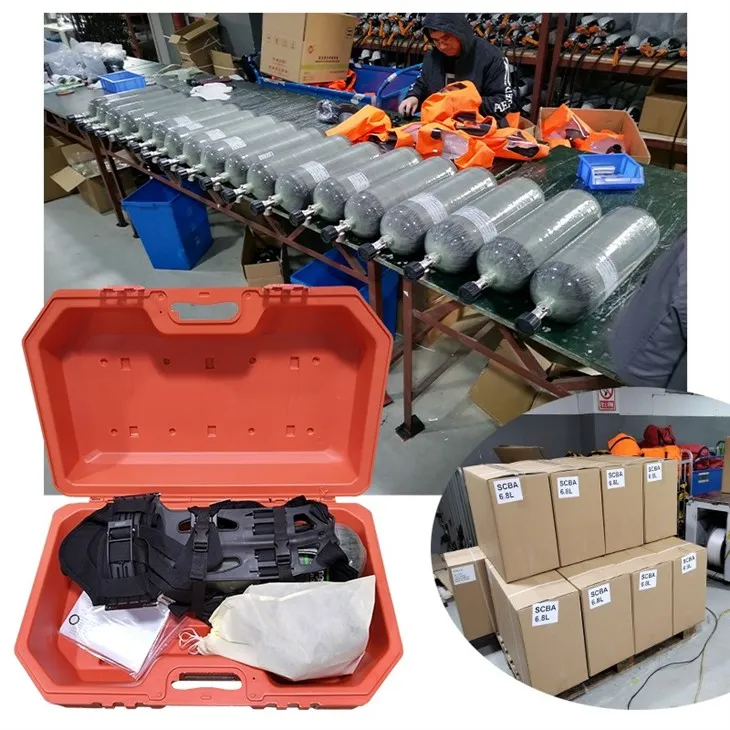
Established in 1998, Jiaxing Rongsheng Lifesaving Equipment Co., Ltd. is a professional manufacturer and exporter that is concerned with the design, development and production of lifesaving equipment. We are located in Jiaxing City, with convenient transportation access. All of our products comply with international quality standards and are greatly appreciated in a variety of different markets throughout the world.
Covering an area of 8600 square meters, construction area of 12800 square meters, we now have over 130 employees.


FAQ
Q: How long does the air last in a self-contained breathing apparatus (SCBA)?
Q: What is the maximum operating pressure in an SCBA cylinder?
Q: Can SCBAs be refilled in the field?
Q: Are there different types of SCBAs for different applications?
Q: How often should an SCBA be inspected and maintained?
Q: What is the shelf life of an SCBA before it needs to be recertified?
Q: Can SCBAs be used in high-heat environments?
Q: Do SCBAs protect against all gases and particles?
Q: Is there a weight limit for using an SCBA?
Q: Can SCBAs be used in water?
Q: Can SCBAs be used for smoke training exercises?
Q: Can SCBAs be worn with other personal protective equipment (PPE)?
Q: How do I store my SCBA when it's not in use?
Q: Can children use adult-sized SCBAs?
Q: Are there any special considerations for women when choosing an SCBA?
Q: What is the difference between an Open-Circuit and Closed-Circuit SCBA?
Q: Can SCBAs be used in explosive atmospheres?
Q: How do I properly don an SCBA?
Q: What is the difference between SCBA and Air-Purifying Respirator (APR)?
Q: Can SCBA filters be replaced in the field?
We're professional self contained breathing apparatus manufacturers and suppliers in China, specialized in providing high quality products and service. We warmly welcome you to wholesale cheap self contained breathing apparatus from our factory. Contact us for more details.
A Self Contained Breathing Apparatus, SCBA Cylinder, SCBA Electric Pressure Gauge